

Vinyl or Carpet Bedrooms: Which Feels Right?
The question of vinyl or carpet bedrooms usually comes up when a room needs to feel better as well as look better. A bedroom is where bare feet meet the floor first thing in the morning, where children play, where pets settle down, and where noise from the rest of the house should fade away. That makes the right answer less about what is currently popular and more about how the room is actually used.
Carpet remains the classic choice for bedrooms because it is soft, warm, and quiet. Vinyl has become a serious alternative, especially for homes that need easy cleaning, a practical budget, or one continuous floor throughout several rooms. Both can work beautifully. The better choice depends on the feeling you want, the people using the room, and what daily life is likely to throw at it.
Carpet bedrooms: comfort comes first
For many homeowners, carpet is still hard to beat in a bedroom. It gives the room an instant sense of warmth and makes getting out of bed on a cold morning much more pleasant. A good underlay adds cushioning underfoot and can make even a modestly priced carpet feel far more comfortable.
Carpet also helps absorb sound. That matters in upstairs bedrooms, children’s rooms, and homes with early risers. Footsteps are softer, dropped toys make less of a racket, and the room generally feels more settled. If you are updating a bedroom to make it feel calm and cozy, carpet naturally supports that goal.
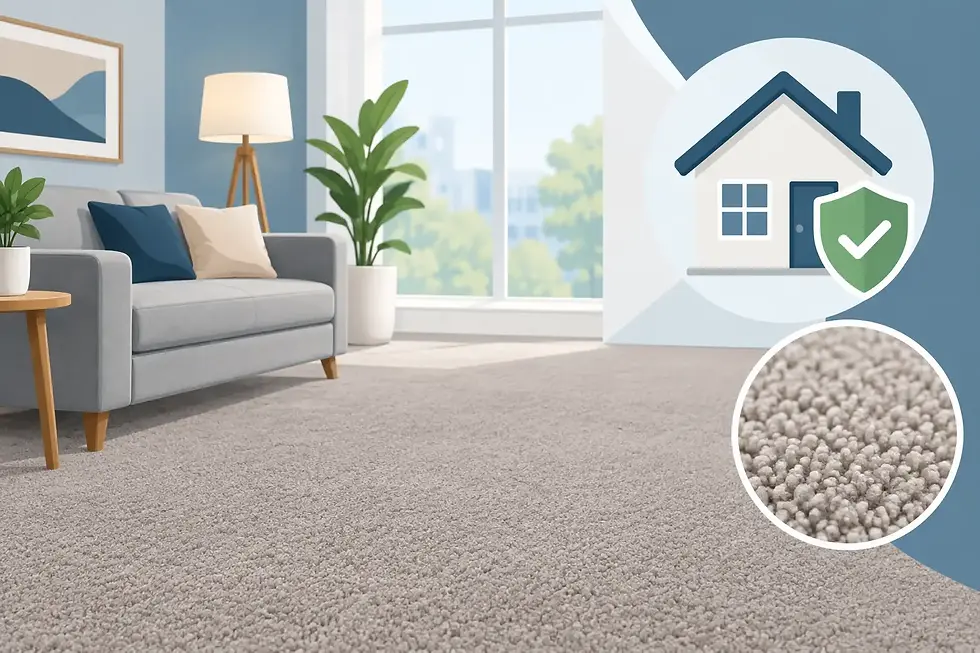
There is plenty of choice beyond the old idea of plain beige carpet. Modern options include soft twist piles, durable flecked styles that disguise everyday marks, and textured finishes that add character without overpowering the rest of the decor. Seeing samples in your own room is particularly useful here. A gray that looks cool under store lighting may appear much warmer beside your curtains, furniture, and wall color.
The trade-off is maintenance. Carpet needs regular vacuuming, and spills should be dealt with quickly. A stain-resistant carpet can make family life easier, but it is not completely immune to muddy paws, makeup, drinks, or accidents. For a main bedroom used by adults, that may be a small price to pay for comfort. For a young child’s bedroom or a rental property with frequent turnover, it is worth considering how much cleaning you want to take on.
When carpet is the sensible bedroom choice
Carpet is often the best fit when warmth, softness, and a quieter room are the priority. It works especially well in primary bedrooms, nursery rooms, and upper-floor spaces where reducing noise matters. It can also be an affordable way to make a large bedroom feel finished, particularly when paired with the right underlay.
Just do not choose by color alone. Think about pile type, stain resistance, how much natural light enters the room, and whether the carpet will need to cope with pets or children. The right practical choice usually looks better for longer.
Vinyl bedrooms: clean, practical, and flexible
Vinyl flooring has moved well beyond the thin, shiny sheets people may remember from years ago. Today’s vinyl can give you realistic wood, stone, tile, and patterned looks, with a surface that is easy to wipe clean. It can be a very smart bedroom option when practicality leads the decision.
Luxury vinyl plank and luxury vinyl tile are particularly popular because they create a neat, modern look while handling daily wear well. If a bedroom opens into a bathroom, hallway, or dressing area, carrying the same vinyl through each space can make the home feel more connected. It also avoids changes in floor height and creates a cleaner visual line.
Vinyl is useful for children’s bedrooms, pet-friendly homes, and properties where easy cleaning matters. Dust, hair, and minor spills are simple to manage, which can be helpful for allergy-conscious households too. Unlike carpet, vinyl does not hold onto dirt in the same way, although regular sweeping and mopping are still needed to keep it looking its best.
It is also worth considering vinyl when you want a wood-look bedroom floor without the cost or upkeep of real wood. A warm oak effect can make a bedroom feel relaxed and welcoming, while lighter tones can help a smaller room feel more open. Patterned vinyl can bring character to a guest room or a period property without committing to a high-maintenance surface.
Where vinyl has limitations
Vinyl is softer and warmer than ceramic tile, but it does not feel as plush as carpet. In a bedroom, that difference is noticeable. You may want a large area rug beside the bed to add warmth underfoot and soften the look.
Noise is another consideration. Good-quality vinyl with the correct preparation and underlay can reduce some sound, but it will not absorb noise like carpet. If you live in an apartment, have bedrooms above living areas, or want the quietest possible space, carpet may be the stronger option.
The subfloor also matters. Vinyl needs a smooth, well-prepared base to look right and wear well. Small imperfections beneath the surface can sometimes show through, so fitting should not be treated as an afterthought. A professional measurement and fitting quote help identify these details before you commit.
Vinyl or carpet bedrooms: compare what matters at home
The quickest way to narrow down the choice is to think through your everyday routine. Carpet wins on softness, warmth, and sound reduction. Vinyl wins on easy cleaning, moisture resistance, and a clean, continuous look across adjoining rooms.
Budget is not always as straightforward as it first appears. Entry-level carpet may cost less than premium luxury vinyl, but carpet normally needs underlay and may require more intensive cleaning over time. Vinyl can be excellent value because it is durable and low maintenance, although subfloor preparation may affect the installed price. The fairest comparison is a complete quote that includes materials, preparation, fitting, and any finishing details.
Style is personal, but the rest of the house should have a say. Carpet can soften bedrooms that already have hard furniture, blinds, and clean-lined decor. Vinyl can balance a home with lots of fabric furnishings or create a more modern feel in a recently renovated property. Neither is automatically better. The key is whether the floor supports the atmosphere you want when the room is fully furnished.
Do not choose from a tiny store sample
Bedroom flooring is heavily affected by light. Morning sun, shaded windows, warm lamps, painted walls, and even the color of your bedframe can change how a sample appears. This is why choosing at home makes such a difference. You can put carpet and vinyl samples beside your furniture, view them at different times of day, and see which finish genuinely belongs in the room.
It also gives you a chance to compare comfort properly. Stand on the samples in bare feet. Put them next to the bedding and curtains you already own. Ask whether a pale shade will be practical near the door, whether a textured carpet suits the room, or whether a vinyl wood effect clashes with existing timber furniture. These are the questions that are difficult to answer under bright showroom lights.
Home View Carpets can bring the options to you, measure the room, and provide a clear fitting quote so the decision feels less like guesswork. You are not trying to imagine the finished result from an aisle of samples. You can see it in the space where it will actually live.
A simple way to make the final decision
Choose carpet if your bedroom should feel soft, quiet, and warm above all else. Choose vinyl if you want easy care, a wood or tile look, and a floor that can cope with pets, children, or an attached bathroom. If you are torn, consider who uses the room most and what has frustrated you about the current floor.
A great bedroom floor should make daily life easier from the moment you wake up. Bring a few samples into the room, look at them honestly in your own light, and the right choice usually becomes much clearer.


Comments