

Best Flooring for Pets: What Actually Works
A floor can look perfect in a showroom and still be completely wrong once a dog skids across it or a cat decides one corner is now its favorite spot. If you're trying to choose the best flooring for pets, the real question is not just what looks good. It's what still looks good after muddy paws, water bowls, shedding, scratches, and the occasional accident.
That is where a practical approach matters. Pet-friendly flooring needs to handle real life, not just the first week after installation. It should be easy to clean, comfortable underfoot, and durable enough to deal with daily wear without turning your home into a constant maintenance job.
What makes the best flooring for pets?
For most homes, the best flooring for pets comes down to five things: scratch resistance, water resistance, easy cleaning, grip, and comfort. If a floor is beautiful but shows every nail mark, it will not feel like a good investment for long. The same goes for anything that absorbs stains, traps odors, or becomes slippery when your dog runs through the room.
There is also the comfort side of the decision. Some hard floors are very practical, but they can feel cold or slick. Some soft floors are cozy, but they may hold onto pet hair or be harder to clean thoroughly. The right choice usually depends on which trade-offs matter most in your home.
A household with one older cat will have different needs than a busy family with two large dogs. That is why seeing flooring in your own home, with your lighting, your furniture, and your day-to-day setup, makes such a difference.
Luxury vinyl is often the safest all-around choice
If you want a flooring option that covers most of the bases, luxury vinyl plank or tile is hard to beat. It is one of the most practical answers to the question of the best flooring for pets because it handles moisture well, resists everyday wear, and is generally easy to keep clean.
Luxury vinyl works well in homes where pets move between rooms, track in dirt, or spend time near entryways, kitchens, and family spaces. A good-quality product can stand up well to claws, and many styles offer a textured surface that gives pets more grip than glossy finishes.
It also gives you flexibility on design. You can get the look of wood or stone without taking on as much worry about scratches or water damage. That matters when you want a home that feels stylish but still works for normal life.
That said, not all vinyl is equal. Cheaper products may dent more easily or wear faster in busy areas. Installation quality matters too. If the subfloor is not right, the finished floor may not perform as well as it should.
Laminate can work well, but it depends on the product
Laminate is another popular option for pet owners, mainly because it can offer a durable surface at a good price. Many modern laminates are much more hard-wearing than people expect, and they can do a decent job resisting scratches from everyday activity.
The hesitation with laminate is moisture. If your pet has accidents or tends to splash around water bowls, some laminate floors will cope better than others. Water-resistant laminate has improved a lot, but standard laminate can still be vulnerable if liquid is left sitting too long.
There is also the sound and feel to think about. Laminate can be noisier under claws, and some finishes can be slippery. If you are considering it, look for options with better texture and water resistance rather than choosing on appearance alone.
Tile is durable, but not always the most comfortable
Porcelain or ceramic tile is one of the toughest flooring choices you can make for a pet-friendly home. It stands up very well to moisture, does not trap odors, and is easy to clean. For accident-prone pets or households that deal with lots of mud and mess, tile can make life a lot easier.
The downside is comfort. Tile is hard and often cold, which may not suit every pet or every room. Older dogs in particular may struggle on very smooth tile surfaces, especially if they have joint issues or limited mobility.
Tile can be a great fit in kitchens, utility rooms, mudrooms, and bathrooms. For main living areas, some homeowners find it too hard or too echo-prone unless they soften the space with rugs.
Carpet is not off the table, but choose carefully
A lot of pet owners assume carpet should be avoided completely. That is not always true. Carpet can still work in bedrooms, stairs, and quieter parts of the home, especially if comfort matters just as much as cleanability.
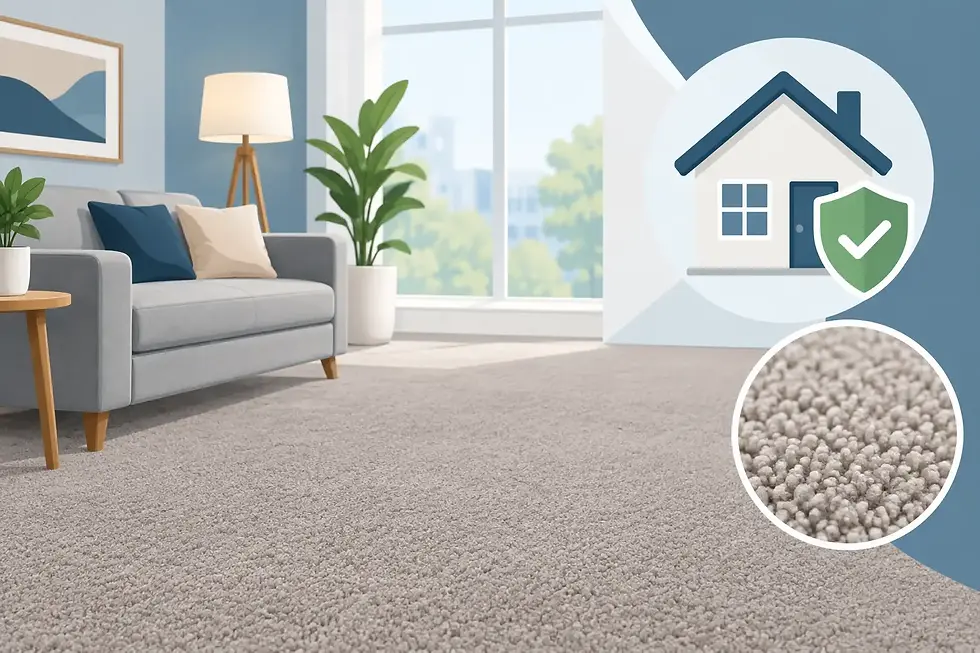
The key is choosing the right type. A dense, low-pile carpet is generally easier to maintain than a plush, high-pile style. It tends to trap less hair, is simpler to vacuum, and is less likely to show wear quickly. Stain-resistant fibers are also worth paying attention to if pets are part of the household.
Even with the right carpet, there are trade-offs. It can hold onto odors more than hard flooring, and accidents usually require more effort to clean thoroughly. If you have a puppy, an older pet, or a pet with frequent messes, carpet may not be the best choice for your busiest spaces.
Real hardwood looks great, but it asks more of you
Hardwood has obvious appeal. It adds warmth, character, and long-term value to a home. But if you have active pets, especially larger dogs, it is not always the easiest route.
Claw marks, moisture, and wear can show up more quickly on wood than on other surfaces. Some harder wood species perform better than softer ones, and certain finishes can help, but hardwood usually requires a bit more care and acceptance of natural aging.
For some homeowners, that is perfectly fine. A lived-in floor with a few marks may still be worth it for the look and feel of real wood. But if your main goal is low maintenance, there are usually more forgiving alternatives.
The room matters as much as the material
One of the biggest mistakes people make is trying to find one perfect flooring type for the whole house without thinking about how each room is used. The best flooring for pets in a living room may not be the best choice for a bathroom, bedroom, or entryway.
For high-traffic family areas, easy-clean hard flooring usually makes the most sense. In bedrooms, comfort and warmth may matter more. On stairs, grip becomes especially important. In homes with direct garden access, water and dirt resistance should move higher up the priority list.
This is why comparing samples at home is so useful. A floor might seem ideal in isolation, but once you place it next to your sofa, kitchen cabinets, wall color, and natural light, the decision gets much clearer.
What to look for if you have dogs versus cats
Dogs usually create more wear through nails, mud, water, and repeated traffic patterns. That means durability and slip resistance often matter most. Larger dogs can be especially tough on softer surfaces, so it pays to choose flooring that can cope with impact and movement.
Cats create a different kind of challenge. They may be lighter on the floor overall, but hair, litter tracking, and the occasional scratch near corners or doorways can become an issue. Easy cleaning is still important, but you may have a bit more flexibility depending on the cat's habits.
If you have both, the decision tends to favor resilient hard flooring in the main areas of the home, with softer finishes used more selectively.
Price matters, but value matters more
It is tempting to choose the cheapest option when you are replacing flooring, especially across multiple rooms. But with pets in the home, value usually comes from getting the product that holds up properly rather than the one with the lowest starting price.
A floor that needs replacing sooner, shows wear quickly, or becomes difficult to clean can cost more in the long run. It often makes more sense to choose a product that gives you the right balance of durability, appearance, and maintenance.
That is also why home selection can be so helpful. Seeing flooring samples where they will actually be used often prevents costly mistakes. Home View Carpets Limited built its service around that exact idea - helping customers compare options at home, where lighting, room layout, and everyday life all tell a more honest story than a showroom ever will.
So what is the best choice for most pet owners?
If you want the simplest answer, luxury vinyl is usually the strongest all-around option for pet owners. It is practical, easy to live with, and available in styles that do not force you to sacrifice appearance for durability.
If your budget is tighter, a good water-resistant laminate can still be a sensible choice. If your priority is maximum toughness in wet or messy spaces, tile deserves a serious look. If comfort is the main concern in lower-risk rooms, carefully chosen carpet may still have a place.
The right floor should make your home easier to live in, not more stressful to protect. When pets are part of the household, that usually means choosing something that can handle a bit of chaos and still look good at the end of the day.


Comments