

Flooring for Uneven Subfloors That Works
A room can look level until a new floor goes down. Then a low spot near the doorway, a raised seam in the middle of the room, or a gentle slope toward an outside wall suddenly becomes impossible to ignore. Choosing the right flooring for uneven subfloors starts with an honest look at what is underneath. Some minor imperfections can be managed with the right material and preparation. Others need to be fixed before any new flooring is fitted.
That is why measuring matters so much. A floor sample may look perfect against your sofa and wall color, but the condition of the subfloor determines whether it will perform well over time. Getting both decisions right saves frustration, avoids wasted materials, and gives you a finish that feels as good as it looks.
What Counts as an Uneven Subfloor?
An uneven subfloor is not always dramatically sloped or visibly damaged. It can mean shallow dips, high ridges, old adhesive residue, loose floorboards, cracked concrete, or joins between boards that sit slightly proud. In older homes especially, floors often have character - and sometimes that character needs attention before new flooring is installed.
The key question is whether the issue is a variation in the surface or a problem with the structure beneath it. Surface irregularities can often be sanded, filled, or leveled. A soft area, persistent movement, moisture damage, or significant slope needs further investigation first. Covering a problem does not make it disappear. It usually means the new floor will show the problem sooner rather than later.
A professional measure can identify these issues before you commit to a product. It also helps separate a small preparation job from work that may need a carpenter, builder, or damp specialist.
Best Flooring for Uneven Subfloors
There is no single best option for every room. The right choice depends on how uneven the floor is, the room's use, moisture levels, and how much preparation is practical. Here is how the most popular flooring types compare.
Carpet is forgiving, but not a fix for major flaws
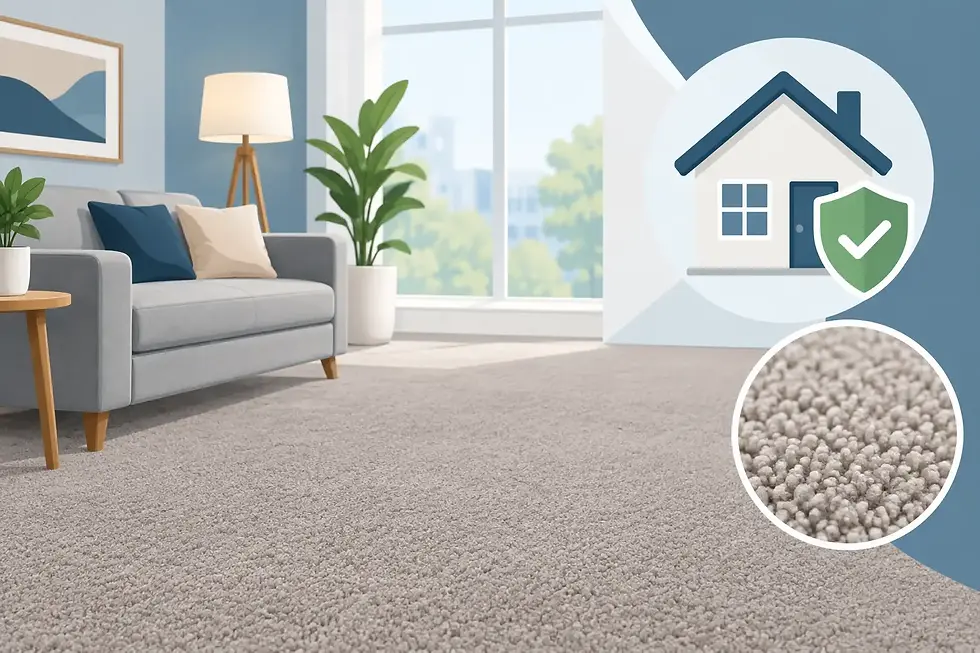
Carpet, particularly with a quality underpad, is one of the more forgiving choices for a slightly uneven floor. The pile and underpad can soften the feel of shallow imperfections, making it a comfortable option for bedrooms, living rooms, and stairs.
However, carpet will not hide pronounced ridges, loose boards, or deep depressions forever. You may still feel them underfoot, and movement in the subfloor can affect the carpet's appearance and wear. If the floorboards are sound but a little rough, minor repairs and suitable underpad are often all that is needed. If boards are flexing or uneven at the joints, those should be secured and addressed first.
Sheet vinyl works well after sensible preparation
Sheet vinyl is practical, warm underfoot, and available in a wide range of wood, tile, and stone looks. It can work very well over a floor with minor variations, but the surface below still needs to be smooth.
Vinyl tends to reveal bumps, seams, and debris over time because it is relatively thin. A small grain of grit may not seem significant during installation, yet it can become visible in the finished floor. For this reason, installers often use a smoothing compound or an underlayment layer over imperfect concrete or timber subfloors. Once prepared properly, sheet vinyl is a good choice for kitchens, bathrooms, utility rooms, and busy family spaces.
Luxury vinyl plank needs a flat base
Luxury vinyl plank and tile are often chosen for their realistic appearance and easy-care finish. They are durable options, but they are not designed to bridge a noticeably uneven subfloor. High spots can create pressure on the locking joints, while low spots can allow the planks to flex when walked on.
A floor does not need to be perfectly level from one side of the room to the other. It does need to be flat within the product manufacturer's tolerance. That distinction matters. A gradual slope may be manageable, while a short, sharp dip can cause trouble. Leveling compound, patch repairs, or a plywood overlay may be recommended before fitting.
Laminate flooring is less tolerant than it appears
Laminate offers a smart wood-look finish at a budget-friendly price, but it needs careful subfloor preparation. Because it is a rigid floating floor, it can move or make clicking noises if it bridges low areas. Unevenness can also put strain on the joints and lead to gaps or broken edges.
Underlayment is useful for cushioning, sound reduction, and moisture control where needed. It is not intended to correct an uneven floor. Using a thicker underlayment to compensate for dips is a common mistake that can make laminate less stable, not more stable.
Engineered wood needs stability above all
Engineered wood can bring warmth and character to a room, but it needs a dry, stable, properly prepared base. Minor flatness issues may be corrected before installation, depending on whether the floor is being glued, floated, or installed in another way.
Real wood products are less forgiving of moisture and movement than many homeowners expect. If an uneven subfloor is caused by damp, loose timber, or a failing concrete surface, solve that issue before considering engineered wood. The extra preparation is worthwhile when you want a floor with long-term appeal.
When Leveling Is Necessary
Leveling is usually needed when the floor has dips and ridges that could affect how the chosen material sits, locks together, or wears. The solution might be as straightforward as sanding a high timber joint, filling local low areas, or applying a smoothing compound across a concrete floor. In other cases, fitting a plywood overlay creates a clean, stable base.
The best method depends on the subfloor. Concrete may need moisture testing and a suitable primer before a leveling compound is applied. Timber floors may need boards screwed down, damaged sections replaced, and joints sanded or overlaid. Preparation should never trap moisture or disguise rot.
It can feel tempting to skip this stage to keep the project cheaper. But poor preparation often leads to a floor that moves, cracks, separates, or wears unevenly. Paying for the right groundwork is usually far less expensive than replacing a floor that has failed early.
Avoid These Costly Shortcuts
Do not assume a thick underpad will level a floor. It can improve comfort under carpet, but it cannot stabilize loose boards or support rigid plank flooring across a dip. Likewise, do not lay new flooring over old material without checking that the layers below are secure, dry, and suitable for the product.
Be cautious with quick fixes around moisture. A musty smell, staining, crumbling concrete, or swollen boards can point to a problem that needs resolving before installation. New flooring should be the finishing touch, not a cover for an unresolved issue.
Finally, do not choose by appearance alone. A pale oak vinyl, deep-pile carpet, or wide-plank laminate may all suit your room visually, but each asks something different of the subfloor. Seeing samples at home helps with the style decision. A proper measure makes sure the practical decision is just as sound.
Make the Decision Easier at Home
Choosing at home gives you a clearer view of the full project. You can compare samples in your own daylight, against your furniture, cabinets, and paint colors, while discussing how the floor underneath may affect your options. That is much more useful than trying to judge a small sample under showroom lighting.
At Home View Carpets Limited, an in-home appointment combines product selection, measuring, and a fitting quote in one straightforward visit. If subfloor preparation is needed, you can understand that before making a final choice rather than facing unexpected changes later.
A slightly uneven floor does not automatically mean an expensive renovation or limited choices. It simply means the product and preparation need to work together. Start with a careful measure, be open about what the floor is doing now, and choose the finish that will stay comfortable, secure, and good-looking for years to come.


Comments