

How to Save Money on Carpets Without Regret
A carpet can look like a bargain on a small store sample, then become an expensive surprise once measuring, underlay, fitting, and room shape are added. The best way to save money on carpets is not simply to choose the lowest price per square yard. It is to choose a carpet that suits the room, is measured correctly, and comes with a clear quote before work starts.
For homeowners replacing tired flooring, planning a move, or updating a rental property, a little planning can prevent the costs that usually catch people out. Here is where the real savings are found.
Save Money on Carpets by Starting With the Room
Not every room needs the same carpet. Buying a heavy-duty, premium carpet for a quiet guest bedroom may add cost without adding much value. At the same time, putting a very low-cost carpet in a busy hallway, on stairs, or in a family living room can mean replacing it far sooner than expected.
Think about how the room is actually used. Bedrooms often suit a softer, more affordable carpet because they see less foot traffic. Hallways, stairs, landings, and living rooms usually need something more resilient. If children, pets, muddy shoes, or regular visitors are part of daily life, stain resistance and durability can be worth paying for.
The goal is not to buy the most expensive option. It is to avoid paying twice. A carpet that lasts well in the space it is intended for can offer much better value than the cheapest roll on the shelf.
Get an Accurate Measure Before Comparing Prices
Carpet pricing is easy to misread if you only look at the cost per square yard. The final amount depends on the room size, carpet width, doorways, alcoves, stairs, pattern matching, and the amount of material left over after cutting.
An estimate based on rough room measurements can look attractive but change once a professional measures the space. That is why free in-home measuring is so useful. It gives you a realistic figure and helps reduce unnecessary waste.
An experienced measurer can also advise on the best direction to lay the carpet and whether a particular roll width will work efficiently in your room. In an awkwardly shaped space, that advice can make a noticeable difference to the amount of carpet required. It also helps avoid the frustrating situation where installation day reveals that there is not enough material.
Ask What the Quote Includes
Before deciding, make sure you know whether the quote includes the carpet, underlay, grippers, fitting, delivery, old flooring removal, door trimming, and moving furniture if needed. These are not minor details. A low headline price can stop looking low once extras are added.
A straightforward quote lets you compare like for like. If one option costs more, you should be able to see why. Perhaps it includes better underlay, fitting, or a more durable carpet. Clear pricing makes it easier to decide based on value rather than guesswork.
Choose Underlay Carefully, Not Automatically
Underlay is one of the most overlooked parts of a carpet purchase. It affects how the carpet feels underfoot, how well it handles daily wear, and how long it may last. Choosing the cheapest possible underlay can be a false economy if it flattens quickly or leaves the carpet less supported.
That does not mean every room needs the thickest, most expensive underlay available. The right choice depends on the floor beneath it and how the room is used. A comfortable underlay may be especially worthwhile in bedrooms and living spaces, while a firmer option can suit areas with heavier traffic.
Good advice matters here. You should be shown options and told plainly what each one changes in terms of comfort, durability, and cost. Spending a sensible amount on the right underlay can help protect the bigger investment sitting on top of it.
See Samples in Your Own Home
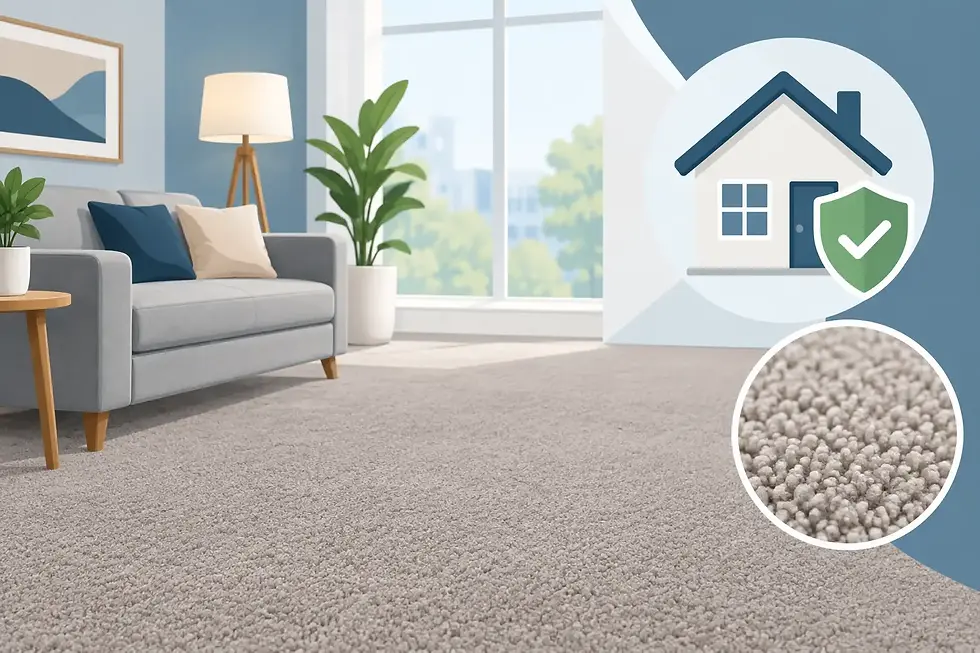
Lighting changes carpet color more than most people expect. A shade that looks warm and neutral under bright retail lighting may look gray, beige, or much darker at home. This is one reason showroom decisions can lead to expensive second thoughts.
Viewing samples in your own room means you can place them near your sofa, curtains, paintwork, cabinets, and natural light. Look at them in the morning, afternoon, and evening if you can. You will get a much clearer idea of how the carpet will really look once it covers the floor.
A mobile, choose-at-home service also saves time. Instead of visiting several stores and trying to remember what each sample looked like, you can compare suitable options where they will actually be installed. It is a simpler way to make a confident choice and reduce the risk of buying a color you later regret.
Consider Stock Options and Sensible Styles
You can often save money on carpets by asking about available stock, end-of-range lines, or practical styles that offer strong performance without a designer price tag. These options are not necessarily lower quality. They may simply be colors or ranges that are being replaced, or products bought in larger quantities.
There is a trade-off. If you fall in love with a discontinued line, getting a matching replacement later may be difficult. For one complete room, that may not matter at all. For several connected rooms or a larger renovation planned in stages, a current range can offer more flexibility.
Simple, versatile colors can also make financial sense. A neutral carpet can work through changes in paint, furniture, and decor, so you may not feel pressure to replace it when the rest of the room is updated. That does not mean every home has to be beige. It means choosing a color you will still enjoy after the first rush of renovation excitement has passed.
Do Not Ignore Stairs, Doorways, and Preparation
Stairs are often more labor-intensive than a square bedroom, even if they use less carpet. They need careful fitting and can involve joins, bends, and edges that take time to finish properly. Factor this into your budget from the start rather than assuming the cost will be based only on floor area.
Preparation can matter too. Uneven subfloors, loose floorboards, damp, damaged thresholds, or doors that need trimming should be identified before fitting day. A good in-home visit gives you the chance to flag these issues early. Finding them late can delay the job and add unexpected expense.
If you are replacing existing carpet, ask about removal and disposal. Some homeowners prefer to handle it themselves to reduce the bill, but only if they can safely lift and dispose of the old material. For many people, paying for removal is worth it for the time and hassle it saves.
Compare Value, Not Just the First Number
A carpet quote should leave you feeling clear, not pressured. If two quotes are different, look beyond the total. Check the carpet type, material, pile weight, underlay, fitting, waste allowance, and included services.
Local specialists can often offer better value because their costs are structured differently from large retail showrooms. Home View Carpets Limited, for example, brings samples, measuring, and advice to the customer, helping households avoid multiple store visits while making decisions in the space that matters.
The cheapest option is right sometimes, especially for a low-use room, a short-term refresh, or a rental where the budget is tight. But when the carpet needs to handle busy family life for years, a modest step up in quality can be the smarter financial decision.
Time Your Project Around the Whole Budget
If several rooms need flooring, it can be tempting to do everything at once. That can be efficient, particularly when fitting and travel are involved, but only if you are ready to make the right choices. Rushing because a project feels overdue can lead to compromises you later wish you had not made.
Ask whether completing multiple rooms together creates savings, and balance that against your available budget. Sometimes it is better to prioritize the high-traffic areas first and phase the rest. A good flooring adviser should help you work through those options without making the process complicated.
The most useful saving is peace of mind: a carpet that looks right at home, fits the space properly, and has no unwelcome costs waiting at the end. Start with an accurate measure, view the samples where you live, and choose the option that will serve your home well long after fitting day.


Comments