

How to Clean High Traffic Carpet at Home
The carpet in a quiet guest room can look good for years. The carpet by the front door, on the stairs, or between the sofa and kitchen has a much tougher job. To clean high traffic carpet properly, you need to deal with the grit that gets worked down into the pile, not just the marks you can see on the surface.
That difference matters. Ground-in soil makes carpet look flat and gray, even when it is not badly stained. Acting early, using the right cleaning method, and choosing a carpet suited to how your household actually lives can keep busy areas looking fresher for much longer.
Why High Traffic Carpet Gets Dirty So Fast
Everyday foot traffic brings in a surprising amount of dust, soil, moisture, pollen, and tiny sharp particles. Shoes carry it in, but so do pets, school bags, strollers, and the bottom of a vacuum that has been rolled in from the garage. In busy zones, those particles settle at the base of the fibers and are pressed deeper each time someone walks over them.
This is why a hallway can look dull before it looks dirty. The carpet fibers are no longer standing upright and reflecting light evenly. On pale carpet, the worn path may show up quickly. On darker colors, the issue can be hidden for a while, but the buildup is still there.
The good news is that high traffic carpet does not need to be replaced at the first sign of a flattened walkway. Regular care can make a real difference, especially when you focus on the areas that receive the most use instead of treating every room exactly the same.
Start With a Better Vacuum Routine
Vacuuming is the most useful habit for protecting busy carpet. A quick pass once a week is fine for low-use bedrooms, but hallways, stairs, entrances, and family rooms often need attention two or three times a week. Homes with dogs, young children, or outdoor hobbies may need more frequent vacuuming near the doorways.
Go slowly enough for the vacuum to lift dirt rather than simply skim the top. Make several passes in different directions, particularly across traffic lanes. If your vacuum has a height setting, make sure it is appropriate for the pile. A setting that is too high misses embedded debris; one that is too low can be difficult to push and may pull at the fibers.
Do not overlook the edges, corners, and stair treads. Dirt gathers where the main vacuum head cannot reach, then gets tracked back into the center of the room. Empty the canister or change the bag before it is overfull, too. A vacuum that has lost suction will make a busy carpet look like it has been cleaned when it has not.
Deal With Spills Before They Become Traffic Stains
A spill in a low-use room may stay contained. A spill in a hallway or living room quickly becomes a wider problem when people walk through it. The first rule is simple: blot, do not scrub. Press a clean white cloth or plain paper towel onto the spill to lift as much moisture as possible. Rubbing can push the liquid deeper and spread the stain outward.
Use a cleaning product only if it is suitable for your carpet type and the mark you are treating. Always test it in an inconspicuous spot first. Too much detergent can leave a residue that attracts more dirt afterward, so use a small amount and avoid soaking the carpet.
For muddy footprints, let the mud dry fully before vacuuming up the loose soil. Trying to wipe wet mud often turns a simple cleanup into a larger brown patch. For greasy marks or colored drinks, quicker action is usually best, but it is still worth checking the carpet maker's care guidance before using a stronger stain remover.
Avoid the Common Over-Cleaning Mistake
When a traffic lane looks dull, it is tempting to repeatedly shampoo the same patch. Unfortunately, excess water and soap can create their own problems. Slow drying can lead to odors, while leftover cleaner can make the area attract soil faster than before.
Spot clean where needed, but do not saturate the carpet. If you use a rental machine or home carpet cleaner, follow the instructions carefully and allow plenty of ventilation and drying time. Keep children and pets off the area until it is fully dry. For heavily soiled carpet, a professional clean is often a better choice than adding more product at home.
Protect the Areas That Work Hardest
Prevention is easier than trying to remove months of embedded grime. An absorbent mat inside and outside the main entrance can catch a great deal of moisture and debris. Choose one large enough for people to take a couple of steps on it, rather than a small mat that is easy to miss.
A shoes-off routine also helps, although it has to suit the way your household works. It may be realistic for family members but less practical when you regularly have visitors, deliveries, or children running in and out. In that case, good entrance mats and prompt vacuuming are the more workable solution.
Furniture placement can also change the wear pattern. If possible, shift chairs, ottomans, and side tables slightly from time to time. This will not stop a main walkway from being used, but it can prevent one narrow route from becoming noticeably more worn than the rest of the room.
For stairs, a carpet runner or a denser, more resilient carpet can be worth considering. Stair treads receive concentrated pressure in the same spot every day, so they tend to show wear sooner than a larger floor area.
When Cleaning Is Not Enough
Sometimes the issue is not dirt. Carpet that remains flat, rough, or noticeably lighter in a walkway after a thorough clean may be worn rather than soiled. This is especially common with lower-quality fibers in busy family homes. Cleaning can improve the appearance, but it cannot restore fibers that have permanently lost their twist or texture.
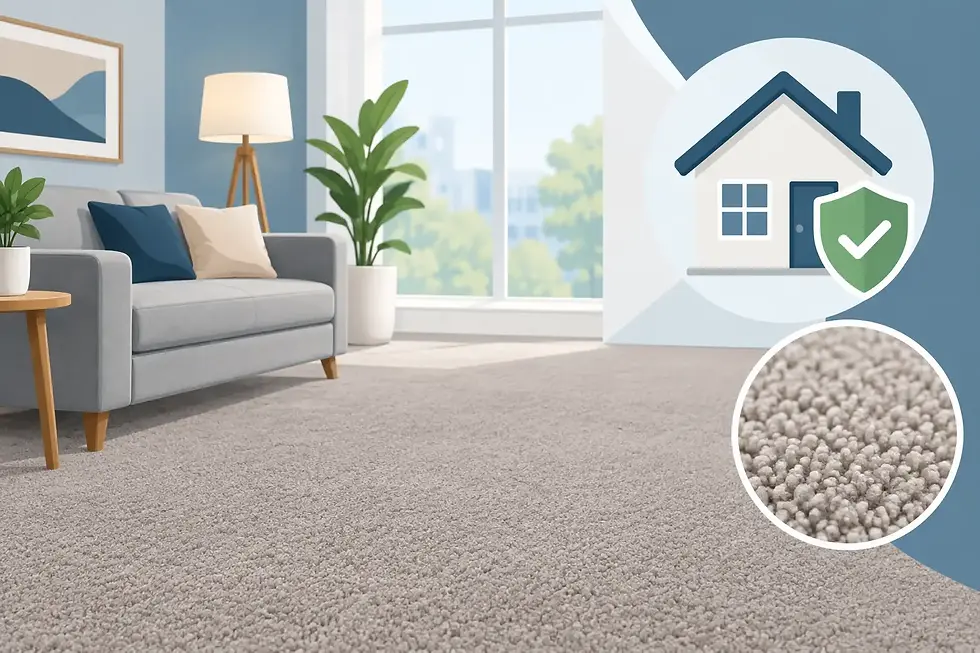
This is where the original carpet choice makes a difference. A soft, pale carpet may be exactly right for a low-traffic bedroom, while a hall, landing, or active living room needs something more forgiving. Flecked colors, heathered finishes, and mid-tone shades can disguise everyday dust better than a solid cream. A tighter pile or hard-wearing synthetic fiber may also be more practical where pets, kids, and regular visitors are part of daily life.
There is always a trade-off. The palest carpet can make a room feel bright and spacious, while a more practical shade may require less constant attention. The best choice depends on the room, how often it is used, and how much maintenance you are willing to take on.
Choose Your Next Carpet in Your Own Home
A sample that looks perfect under showroom lighting can look completely different beside your paint, furniture, and natural light. That is particularly important when choosing carpet for high traffic areas, where you want the color and texture to work hard without making the room feel darker or smaller.
Seeing samples at home makes it easier to compare practical options honestly. You can place them in the hallway, near the patio door, or on the stairs and see how they look at different times of day. You can also judge whether a color hides everyday marks well enough for your household, rather than choosing based on a small display swatch.
Home View Carpets can bring the choice to you, measure the space, and talk through options that fit both the room and your budget. It takes away the guesswork of trying to picture a full floor from a showroom sample, while helping you avoid paying for a carpet that is not suited to its job.
A Simple Care Plan That Works
For most homes, vacuuming busy areas several times a week, dealing with spills promptly, and having a deeper clean when the carpet starts to look dull is enough to maintain a good appearance. Add entrance mats, keep outdoor dirt under control, and do not let a small stain become a permanent feature.
If your carpet is already showing a clear traffic path, start with a careful vacuum and a suitable deep clean. Then look closely at the result. If it still looks tired, the carpet may be telling you that it has reached the end of its useful life in that spot. A practical new carpet, chosen in the room where it will live, can make the whole home feel cleaner before you have changed anything else.


Comments