

Low Maintenance Home Flooring for Real Life
A muddy dog at the back door, a dropped glass of juice, children racing through the hallway, and chairs scraped back from the dining table - these are the real tests a floor faces. Low maintenance home flooring should make everyday life easier, not leave you worrying about every mark, spill, or scuff.
The best choice is rarely about finding a floor that needs no care at all. Every floor benefits from regular vacuuming, sweeping, and the occasional proper clean. The difference is choosing a material that is forgiving, easy to look after, and suited to the way your household actually lives.
What Makes Flooring Low Maintenance?
For most homes, low maintenance means a floor that handles moisture, resists visible wear, cleans up without specialist products, and does not need regular sanding, sealing, or refinishing. It should also suit the room. A beautiful floor that looks great in a quiet bedroom may not be the sensible answer for a busy kitchen or entrance.
Color and pattern matter more than many people expect. Very pale, very dark, or highly glossy floors can show dust, footprints, pet hair, and streaks quickly. Mid-tone shades, natural wood effects, and subtle texture are often more forgiving between cleans. That does not mean settling for a dull look. It means choosing a finish that keeps looking tidy while you get on with life.
When comparing samples, look beyond the color. Feel the surface, ask how it reacts to water, and think about where people walk most often. Seeing flooring beside your own cabinets, sofa, paint, and natural light makes these decisions far easier.
Best Low Maintenance Home Flooring Options
Luxury vinyl plank and tile
Luxury vinyl plank, often called LVP, is one of the strongest all-around choices for busy homes. It gives you the appearance of wood or stone while offering a warmer, quieter surface than many hard floors. Most quality options are water-resistant or waterproof, making them particularly useful in kitchens, bathrooms, utility rooms, hallways, and family spaces.
Daily care is straightforward: sweep or vacuum grit away, then use a damp mop when needed. It does not need sanding or refinishing, and it is generally kinder underfoot than ceramic tile. Many styles also have a textured finish that helps disguise small marks and everyday dust.
The trade-off is that not every vinyl product is equal. Thinner, lower-cost options may be more prone to dents or damage from heavy furniture. A good consultation should include a conversation about wear layer, subfloor condition, and whether the chosen product is right for your room.
Sheet vinyl
Sheet vinyl is a practical choice that deserves more attention than it sometimes gets. Modern designs can closely resemble wood, tile, stone, and patterned flooring, while the continuous surface makes cleaning quick and simple. With fewer joins than plank or tile flooring, it can be an especially sensible option where spills and splashes are common.
It is comfortable underfoot, often budget-friendly, and works well in kitchens, bathrooms, laundry areas, and rental properties. For households looking for a clean, hard-wearing floor without a large price tag, sheet vinyl can be hard to beat.
Like any resilient flooring, it can be marked by sharp objects or very heavy loads. Using protective pads under furniture and avoiding dragging appliances across the surface will help it stay looking its best.
Laminate flooring
Laminate remains a popular option for living rooms, bedrooms, dining rooms, and hallways because it offers a smart wood-look finish at a sensible price. A quality laminate has a tough top layer designed to resist scratches, stains, and daily wear, which can make it a good match for active family areas.
Cleaning is simple, but water needs a little more care than it does with waterproof vinyl. Wipe up spills promptly and avoid soaking the floor when mopping. If your kitchen is regularly busy with wet shoes, pets, and spills, a waterproof vinyl option may give you greater peace of mind.
The right laminate can still be a low-maintenance choice, especially in dry rooms. Look for realistic grain patterns and mid-range tones that will not show every speck of dust.
Porcelain or ceramic tile
Tile is one of the most durable flooring choices available. It is highly resistant to water, stains, and scratches, which makes it ideal for bathrooms, mudrooms, kitchens, and homes where wet weather gets tracked indoors. A well-chosen tile can last for years with simple sweeping and mopping.
The main consideration is comfort. Tile is harder and colder underfoot than vinyl, laminate, or carpet, and dropped dishes are less likely to survive. Grout lines also need occasional attention, although larger-format tiles and darker grout can reduce the cleaning burden.
For a home with underfloor heating, tile can be an excellent long-term option. Without it, consider whether the room may benefit from washable mats or rugs for warmth and comfort.
Stain-resistant carpet for softer rooms
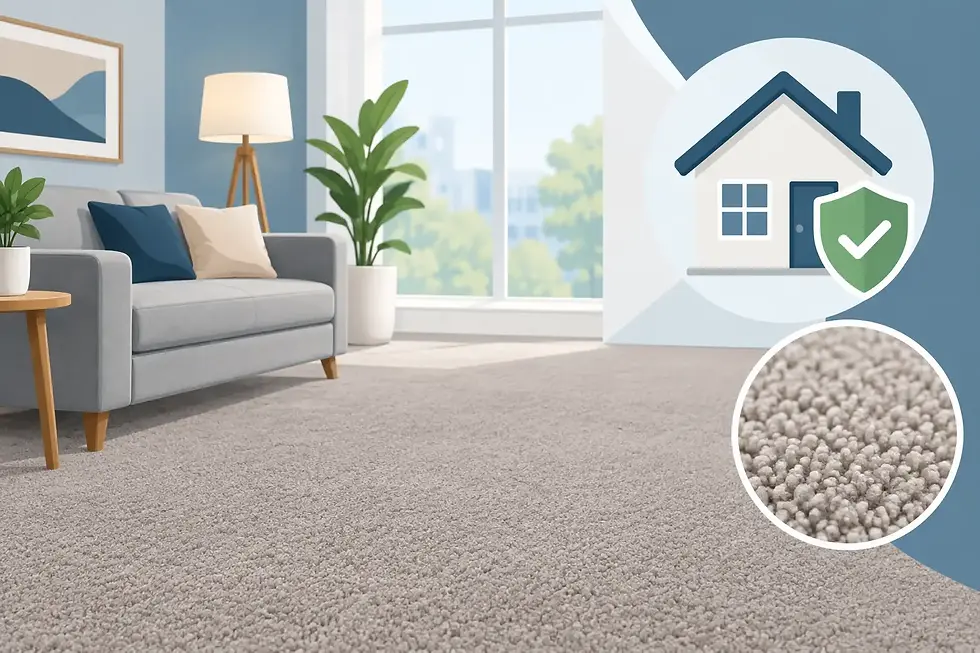
Hard flooring is not the only route to easy care. Modern stain-resistant carpet can be a sensible, comfortable choice for bedrooms, stairs, and living rooms. It softens noise, feels warmer underfoot, and can be easier on knees and feet than a hard surface.
For low-maintenance results, choose a practical pile and a color that suits your household. Flecked, heathered, or lightly patterned carpets are usually more forgiving than a single flat shade. Regular vacuuming and prompt treatment of spills are the key habits.
Carpet is not the first choice for bathrooms or homes where pets regularly come in wet and muddy. But in the right rooms, it brings comfort without demanding constant attention.
Match the Floor to the Room, Not Just the Look
A whole-home floor can create a clean, connected appearance, but one material does not always suit every space. The most practical approach is often to use compatible finishes across different rooms. For example, wood-effect vinyl may work beautifully through a kitchen and hallway, while a warm stain-resistant carpet makes bedrooms and stairs more comfortable.
Think about the pressure each room takes. Entryways need to cope with grit and moisture. Kitchens need fast spill cleanup. Bathrooms need reliable water resistance. Living rooms may need scratch resistance, but they also benefit from warmth and noise reduction. Bedrooms usually see less hard wear, so comfort can take priority.
This is where bringing samples into the home pays off. Store lighting can make a gray floor appear cool and clean, while the same sample may look blue beside your walls. A warm oak effect may look perfect under your own lighting but clash with existing furniture in a showroom-style display. Seeing the options where they will be fitted helps prevent expensive second guesses.
Small Choices That Keep Floors Looking Better
Even the easiest floor will last longer with a few simple protections. Use mats at exterior doors to catch grit and moisture before it reaches the floor. Add felt pads beneath chair legs and furniture that moves often. Vacuum or sweep regularly, because abrasive dirt can dull any surface over time.
Use cleaning products recommended for the material rather than reaching for harsh chemicals. Too much water is a common mistake with laminate and wood-based floors, while steam cleaners are not suitable for every product. If you have pets, keep nails trimmed and clean up accidents promptly, especially around seams and edges.
Choosing the right installation also matters. A floor can only perform as well as the preparation beneath it. Uneven subfloors, poor joins, and unsuitable materials in high-moisture rooms can create problems that no amount of cleaning will solve.
Make the Decision Easier at Home
The best low maintenance home flooring is the one that fits your rooms, budget, style, and daily routine. A family with two dogs may prioritize waterproof surfaces and texture. A homeowner updating a quiet upstairs space may prefer the warmth of easy-care carpet. A landlord may focus on value, durability, and quick turnover between tenants.
Home View Carpets Limited brings samples, advice, measuring, and fitting quotes to your home, so you can compare options where the decision matters most. You can see how each floor works with your lighting and decor, ask practical questions, and choose with a clearer picture of the finished result.
Start with the rooms that work hardest, be honest about how your household uses them, and choose a floor that gives you more time to enjoy your home rather than maintain it.


Comments